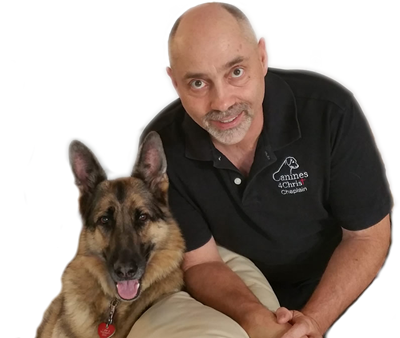
Tom Savoca, K9TJS: Amateur Radio, Community Service, and Emergency Communications
Amateur radio has been an important part of my interests and community involvement. My name is Tom Savoca, and my amateur radio call sign is K9TJS. I enjoy the technical side of radio communications, the camaraderie of the amateur radio community, and the opportunity to use radio skills to help others when communication becomes especially important.
My interests extend beyond radio itself. I am also involved in dog training, therapy dog activities, and community service in South Florida. These interests might seem unrelated at first, but they share something important: a desire to learn, communicate, serve the community, and be prepared when people need assistance.
What Is Ham Radio?
Ham radio, more formally known as amateur radio, is a radio communication service that allows licensed operators to communicate with other operators using designated radio frequencies. Unlike commercial broadcasting, amateur radio is not primarily about transmitting entertainment to a general audience. It is a two-way communication service that supports personal interests, technical experimentation, public service, and emergency communications.
Amateur radio operators use a variety of equipment and techniques to communicate. Depending on their licenses, equipment, operating conditions, and the frequencies involved, they can communicate with someone across town, across the country, or even around the world.
One of the things I appreciate about amateur radio is its versatility. Some operators enjoy making long-distance contacts, others experiment with antennas and electronics, and many participate in public service activities. There are operators who communicate using traditional voice transmissions, Morse code, digital modes, satellites, and other specialized techniques.

Amateur radio also provides a valuable opportunity to develop practical skills. Operators learn about radio propagation, antennas, electronics, operating procedures, and the challenges of communicating when ordinary systems are unavailable.
My Amateur Radio Call Sign: K9TJS
My amateur radio call sign is K9TJS, and it has a personal meaning that connects my interest in radio with my work with dogs.
The K9 portion reflects my involvement in dog activities, including dog training and therapy dog work. The letters TJS are my initials. Putting them together gives me a call sign that represents two important parts of my life.
When I identify myself on the air as K9TJS, I am using my official amateur radio call sign. Call signs are assigned to licensed amateur radio operators and provide a standardized way to identify stations during radio communications.
For me, K9TJS is more than just a sequence of letters and numbers. It is a memorable connection between my technical interests and my work with dogs and the community.
Amateur Radio and Emergency Communications
One of the most valuable aspects of amateur radio is its ability to provide communications when normal infrastructure is damaged, overloaded, or unavailable.
During hurricanes, severe weather, flooding, and other emergencies, telephone networks and internet services can experience disruptions. Amateur radio operators can sometimes establish alternative communication links using independently powered equipment and suitable antennas.

Amateur radio operators may assist emergency management organizations by passing messages, relaying situational information, and supporting communications plans when requested and properly coordinated.
This is particularly relevant in South Florida, where hurricanes and severe weather make disaster preparedness an important part of community life.
Emergency communications require more than owning a radio. Operators must understand their equipment, follow established procedures, communicate clearly, and practice before an emergency occurs. Training and exercises help operators become more effective when reliable communications are needed.
I have also been involved with the Community Emergency Response Team (CERT) program in Margate, Florida. CERT focuses on preparing community members to assist during emergencies and disasters. Amateur radio and CERT are different activities, but both reflect the importance of preparedness, communication, and community service.
Gold Coast Amateur Radio Association
Another important part of my amateur radio involvement is my connection with the Gold Coast Amateur Radio Association, which operates under the call sign W4BUG and serves amateur radio enthusiasts throughout much of South Florida.
You can learn more about the organization at W4BUG.org.
Local amateur radio clubs provide opportunities for operators to meet, exchange technical knowledge, learn from experienced members, participate in operating activities, and support public service events. They also help introduce newcomers to amateur radio and give licensed operators opportunities to develop their skills.
My involvement with the Gold Coast Amateur Radio Association has included serving in a public information officer (PIO) role on the organization’s board. Public information is an important part of a volunteer organization because members and the public need to know about meetings, activities, training opportunities, and special events.
Communication is at the heart of amateur radio, and sharing information about the hobby helps ensure that the organization remains active and accessible to people interested in getting involved.
ARRL Field Day and Other Amateur Radio Activities
One of the best-known activities in amateur radio is ARRL Field Day, an annual event organized by the American Radio Relay League (ARRL).
Field Day gives amateur radio operators an opportunity to set up stations away from their usual locations and practice making contacts under simulated emergency operating conditions. Participants often operate using portable antennas, temporary stations, generators, batteries, and other equipment.


11
Field Day combines technical experimentation, friendly competition, education, and emergency preparedness. It allows operators to test their equipment and learn what works when they cannot rely on their regular home station.
Other activities within the amateur radio community include:
- Public service communications: Supporting organized events and community activities with volunteer radio communications when requested.
- Emergency preparedness: Practicing alternative communication methods and learning how to operate when conventional systems are disrupted.
- Radio operating: Making contacts with other amateur radio stations locally, nationally, and internationally.
- Technical experimentation: Exploring antennas, radios, digital communications, propagation, and other aspects of radio technology.
- Club activities: Participating in meetings, demonstrations, training sessions, and opportunities to exchange knowledge with other operators.
- ARES and RACES: Learning about organized amateur radio emergency communications programs that can support public safety and emergency management under appropriate coordination.
Each activity offers something different, but all contribute to the depth and diversity of the amateur radio hobby.
GMRS and Other Radio Communications Interests
In addition to amateur radio, radio enthusiasts may explore other communications services, including the General Mobile Radio Service (GMRS).
GMRS is a licensed radio service in the United States that is commonly used for personal and family communications. It can be useful for keeping in touch during outdoor activities, road trips, and certain community activities. Unlike amateur radio, GMRS operates under a different set of FCC rules, licensing requirements, and technical restrictions.
Understanding the differences between radio services is important because each has its own authorized frequencies, equipment requirements, and operating rules.
For someone interested in communications, exploring these services can provide a broader understanding of how people stay connected in different situations.
Connecting Radio, Dogs, and Community Service
My interests in amateur radio and dog training may seem like two separate worlds, but both involve preparation, communication, and responsibility.
Through my dog training business, Dog Training Does Matter, I work with dog owners to develop better-behaved dogs and stronger relationships between dogs and their handlers. My therapy dog activities have also demonstrated how trained dogs can bring comfort to children, families, and community members during difficult times.
My German Shepherd therapy dog, Coco, served the City of Margate and participated in community outreach and crisis-related activities, including support following the Marjory Stoneman Douglas High School shooting and the Surfside condominium collapse.
These experiences reinforced the importance of being prepared, working effectively with others, and finding practical ways to serve the community.
Amateur radio provides another avenue for developing those same values. Whether I am identifying myself on the air as K9TJS, participating in Gold Coast Amateur Radio Association activities, or supporting community preparedness, I value the opportunities to learn and contribute.
Final Thoughts
Amateur radio is much more than talking over a radio. It combines technology, experimentation, education, friendship, and public service. It brings together people from different backgrounds who share an interest in communications and a willingness to help others develop their skills.
As Tom Savoca, K9TJS, I appreciate the opportunities that amateur radio offers to stay connected with others, learn new things, and contribute to my community in South Florida.
Whether the subject is radio communications, emergency preparedness, dog training, or therapy dog outreach, I believe that knowledge becomes especially valuable when it can be put to practical use.
For me, K9TJS represents that combination of personal interests and community involvement—and I look forward to continuing to learn, participate, and help others discover the value of amateur radio.